News Feed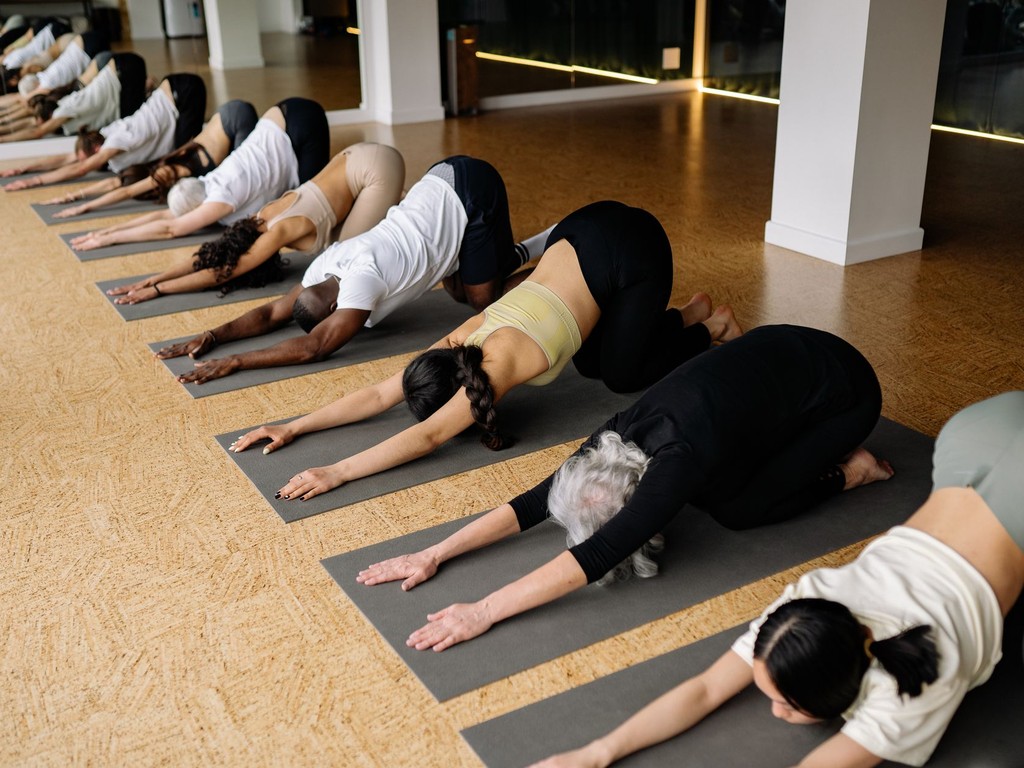
How Yoga Supports Emotional Regulation in Early Recovery
How Yoga Supports Emotional Regulation in Early Recovery
Early recovery often leaves someone facing intense emotions without the coping mechanism they'd relied on for months or years, and finding a replacement that actually works, rather than simply being told to feel differently, is one of the more genuinely difficult parts of the entire process.
Yoga has earned a specific place in many treatment programs not as an alternative to clinical therapy but as a complementary practice that builds a person's capacity to notice and tolerate difficult emotions before they escalate into a crisis.
Why Yoga Specifically, Rather Than Any Physical Activity
Engaging with yoga therapy for addiction combines physical movement with deliberate breath awareness and present-moment attention in a way that other forms of exercise don't consistently emphasise, and it's specifically that combination that appears to support emotional regulation rather than physical exertion alone.
The practice's emphasis on noticing bodily sensation without immediately reacting to it mirrors, in a very concrete physical way, the exact skill someone in recovery needs to build: noticing an urge or a difficult emotion arise and creating space before acting on it.
What the Research Actually Shows About the Mechanism
According to a narrative review of yoga and mindfulness published in a peer-reviewed psychiatry journal, yoga and mindfulness practices appear to reduce reactivity to challenging emotions, addressing one of the core mechanisms by which stress and difficult feelings can otherwise lead back toward substance use as a coping strategy.
This research doesn't suggest yoga replaces clinical treatment, it suggests the practice offers a genuine, evidence-supported tool that works alongside therapy, particularly for the moment-to-moment emotional regulation challenges that talk therapy alone doesn't always address in real time.
What a Typical Session Looks Like for Someone New to the Practice
A trauma-informed yoga session in a treatment setting typically avoids physically demanding poses in favour of gentler movement, explicit permission to modify or skip anything that feels uncomfortable, and consistent verbal cues that keep participants oriented to their own choice and control throughout.
This deliberate emphasis on choice and safety matters considerably for a population where control and safety have often been compromised, making a session's structure as therapeutically significant as the physical postures themselves.
How This Fits Alongside More Traditional Therapy Approaches
Yoga sessions work best as a complement to, not a substitute for, individual and group therapy, giving a client an embodied practice they can use between formal therapy sessions when a craving or difficult emotion arises outside a scheduled appointment.
Clients who build a consistent yoga practice during treatment often report using simple breathing techniques learned in sessions during real moments of stress well after leaving the structured program, a practical carryover that few other complementary therapies offer as directly.
Common Hesitations and How Programs Typically Address Them
A common hesitation among people new to yoga is a concern about flexibility or fitness level, which trauma-informed instructors address directly by emphasising that the practice accommodates every body and ability level, with modifications offered as a normal part of every single session rather than an exception.
Some clients also worry the practice carries a spiritual dimension that conflicts with their own beliefs, and most treatment-setting instructors address this concern explicitly upfront, framing the practice in purely physical and psychological terms rather than any specific spiritual tradition.
How to Continue the Practice After Leaving Treatment
Clients who want to continue yoga after leaving a structured program often benefit from seeking out a trauma-informed instructor in their community rather than a general studio class, since the specific therapeutic framing that made the practice useful during treatment doesn't automatically carry over to every yoga environment.
Even a short, simple home practice, ten minutes of breathing and gentle movement on a difficult day, can preserve much of the emotional regulation benefit without requiring ongoing access to a formal class, making the practice genuinely sustainable well beyond the structured treatment period.
How This Practice Fits Into a Broader Relapse Prevention Plan
A relapse prevention plan that includes a specific, concrete coping tool like breath-focused movement gives someone facing a craving a genuine action to take in the moment, rather than an abstract instruction to simply resist the urge without any practical mechanism for doing so.
Pairing this physical practice with the cognitive strategies learned in individual therapy creates a more complete toolkit than either approach offers alone, addressing both the immediate physiological experience of a craving and the underlying thought patterns that often accompany it.
Why This Matters Beyond the Treatment Setting Itself
The skills built through a consistent yoga practice during treatment, noticing sensation without immediately reacting, tolerating discomfort briefly before it passes, extend well beyond substance use recovery specifically, supporting emotional regulation in everyday stressful situations long after the original context that prompted the practice has faded.
This broader applicability is part of why many treatment programs view the practice as a genuine life skill rather than a treatment-specific technique, one that continues paying off in a person's life for reasons that have nothing directly to do with substance use at all.
That durability is part of what makes the initial investment in learning the practice worthwhile, even for someone approaching it with real skepticism at the outset, since the benefit rarely fades once genuinely established.