News Feed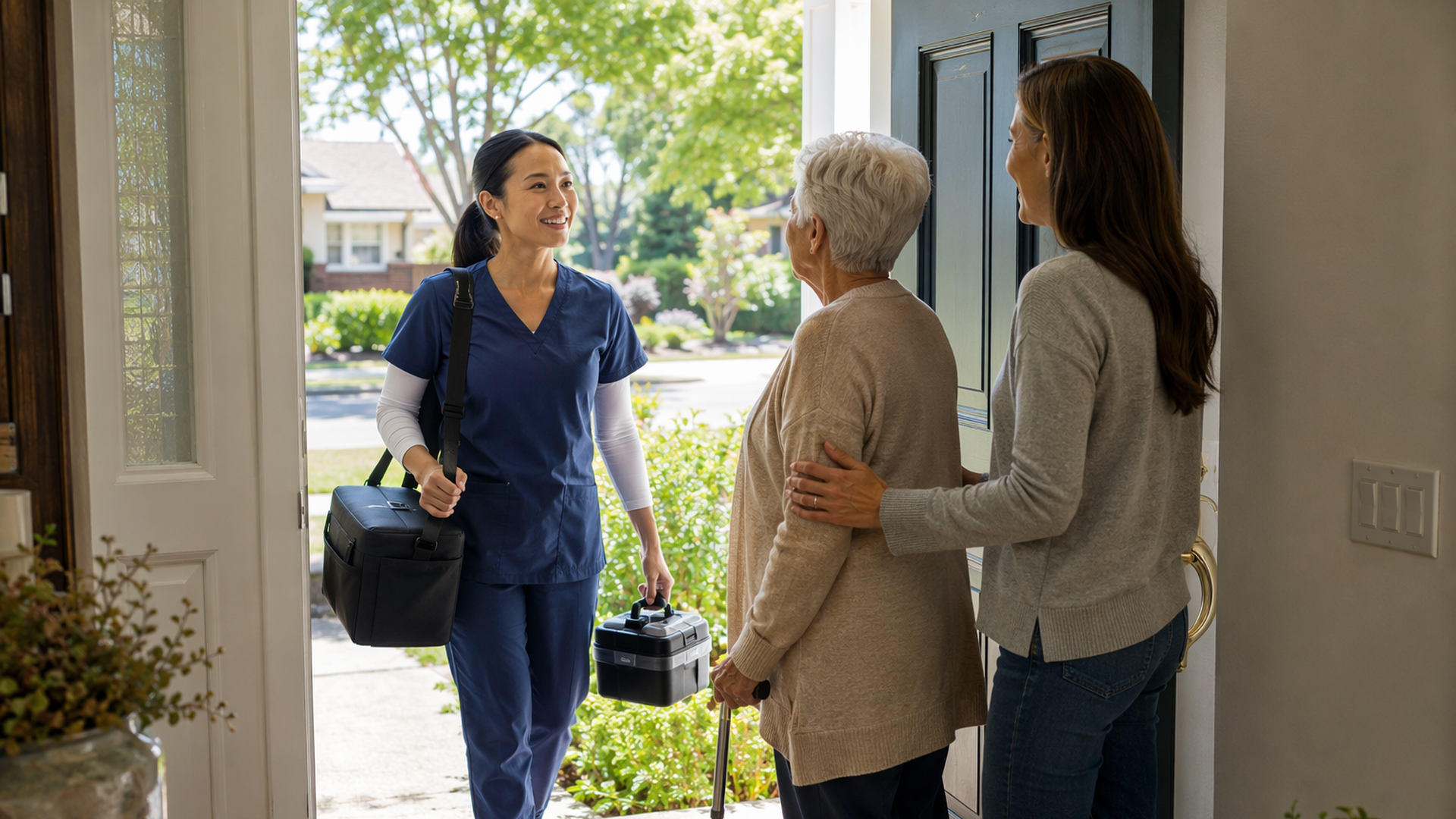
The Benefits of Mobile Wound Care Services for Patients at Home
Managing a chronic wound at home requires consistent, properly administered treatment. Gaps in care or incorrect wound management techniques can delay healing and increase the risk of complications such as infection or tissue deterioration.
Mobile wound care services address these challenges by bringing qualified medical professionals directly to a patient's home, reducing barriers associated with traveling to clinical settings. This model of care is particularly relevant for patients with limited mobility, transportation difficulties, or conditions that make frequent clinic visits impractical.
Why Chronic Wounds Get Worse Without Consistent In-Home Care
Chronic wounds that do not receive consistent in-home care can deteriorate over time. Without regular monitoring and appropriate treatment, patients may face a greater risk of infection, delayed healing, pain, and the need for more intensive medical intervention.
Nutritional deficiencies, particularly among older adults, can contribute to poor wound healing. Inadequate protein and micronutrient intake may impair tissue repair, making nutritional assessments a relevant component of comprehensive wound management.
Mobile wound care services offer the advantage of timely clinical evaluation, allowing healthcare providers to identify early signs of complications before they become more serious. This proactive approach may help reduce the need for costly and invasive treatments.
Consistent in-home care supports regular dressing changes and wound assessments, which are fundamental to maintaining a clean wound environment and reducing infection risk. Without this structured support, gaps in care can allow conditions to worsen and become more difficult to manage.
What Is Mobile Wound Care and How Does It Work?
Mobile wound care involves licensed wound care specialists traveling to a patient's home to assess, treat, and monitor wounds, eliminating the need for clinic visits. During each appointment, the specialist examines the wound's current condition, adjusts the care plan based on observed progress, and administers treatment appropriate to the wound type and stage of healing. This model of care may be used for conditions such as diabetic ulcers, pressure injuries, post-surgical wounds, and venous or arterial ulcers that require consistent, skilled intervention.
Defining Mobile Wound Care
Mobile wound care is a healthcare delivery model in which licensed wound care specialists travel to a patient's home to provide assessment, treatment, and ongoing management of acute or chronic wounds. This approach is commonly used by patients who have mobility limitations, lack reliable transportation, or have medical conditions that make frequent clinical visits difficult.
For patients who need skilled support without the burden of travel, mobile wound care services can provide in-home assessment, treatment, and follow-up based on the wound’s condition and the patient’s overall health needs.
During scheduled visits, clinicians evaluate wound status, perform necessary interventions such as debridement or dressing changes, and adjust treatment protocols based on healing progress. Care plans are developed according to the patient's medical history, wound classification, and specific clinical needs.
This model can serve as an alternative to outpatient wound care clinics, offering continuity of care without requiring patient travel. It is particularly relevant for individuals managing conditions such as diabetic ulcers, pressure injuries, or post-surgical wounds that require consistent monitoring and specialized attention. By delivering care in the home setting, clinicians can also assess environmental factors that may influence wound healing, such as hygiene conditions, mobility constraints, and caregiver support.
How Home Visits Work
Home visits usually begin with an initial assessment in which a licensed wound care specialist travels to the patient's location, evaluates the wound’s characteristics, including type, location, drainage, and size, and develops a treatment plan based on clinical findings.
Follow-up visits are scheduled to monitor healing progress, modify the care plan as needed, and address potential complications promptly. Mobile wound care teams may use digital documentation and communicate with the patient’s broader healthcare team, supporting care continuity and coordination throughout treatment.
Conditions Commonly Treated
Mobile wound care services may address chronic wounds, diabetic ulcers, pressure injuries, skin tears, venous ulcers, arterial ulcers, and post-surgical wounds. Each condition involves distinct clinical considerations that influence treatment protocols.
Care teams assess individual factors, including medical history, circulation, medication use, nutrition, mobility, and wound characteristics, to develop appropriate treatment plans. Diabetic ulcers, for example, require consistent monitoring because reduced sensation and impaired circulation can increase the risk of complications. Chronic wounds similarly benefit from ongoing, specialized management to help prevent deterioration.
Why Healing at Home Can Be More Convenient Than Clinic Visits
Managing chronic wounds at home through mobile wound care services can offer practical benefits compared with traditional clinic-based treatment. Patients receiving in-home care avoid the physical and logistical demands of transportation, which may be especially important for people with mobility limitations, pain, or limited access to reliable transportation.
Mobile wound care providers assess patients within their daily living context, which can support more individualized treatment planning. In-home visits may allow clinicians to observe factors such as the home environment, mobility challenges, hygiene practices, and available caregiver support.
Home-based care is not the right setting for every wound. Some complex cases require specialized equipment, vascular testing, imaging, surgical intervention, or access to a multidisciplinary clinical team. The most appropriate care setting depends on the wound type, severity, patient health status, and the services available locally.
Home Healing Advantages
Home-based wound care can help patients follow care routines more consistently by reducing the burden of travel. Receiving treatment in a familiar setting may also make it easier for caregivers to participate in wound care education and follow-up.
Routine in-home assessments enable healthcare providers to monitor wound progression and identify potential complications before they escalate. This can support timely treatment changes and may reduce the likelihood of emergency care or hospital admission for some patients.
For individuals managing chronic wounds, home-based care can be a practical option that addresses both medical and logistical factors affecting recovery.
Clinic Visits vs. Home Care
For people managing chronic wounds, choosing between clinic visits and home care can affect their overall treatment experience. Mobile wound care services can reduce transportation barriers and support regular follow-up for patients with mobility limitations.
Care delivered at home allows clinicians to assess the patient’s actual living environment, which may support more contextually relevant treatment decisions. Caregiver education during home visits can also support consistent wound management between professional appointments and help caregivers recognize warning signs that require prompt attention.
However, clinical settings may offer access to specialized equipment and multidisciplinary teams needed for complex cases. The best setting depends on wound type, patient health status, available support systems, and local service availability.
Care Plans Built Around Your Wound and Health Needs
Mobile wound care specialists develop individualized care plans based on wound type, medical history, circulation, medications, nutritional status, mobility, and the patient’s living environment. During the initial home visit, a clinical assessment is performed to evaluate the wound’s condition and guide treatment decisions.
Nutritional evaluation may be incorporated into the care plan because adequate nutrition plays an important role in the wound healing process. Care plans should be reviewed regularly and adjusted when the wound changes or the patient’s overall health needs change.
Consistent, skilled monitoring can support more precise and responsive wound management throughout treatment.
How Technology Makes Mobile Wound Care More Effective
Technology can support mobile wound care through several practical mechanisms. Digital documentation systems allow care teams to maintain accurate, current records that support coordinated treatment and reduce the risk of missed information.
Telehealth can enable remote specialist consultations when appropriate, particularly for patients with limited mobility or limited access to specialized care. Patient-facing tools may also help patients and caregivers track appointments, follow care instructions, and access educational materials between visits.
Some providers coordinate with mobile laboratory services or other in-home clinical resources when testing is needed. When integrated appropriately, these tools can help address barriers associated with facility-based care while supporting consistent clinical oversight.
Key Nutrients That Support Wound Healing
Nutrition plays an important role in wound healing, with several nutrients contributing to tissue repair. Protein supports the production of collagen and new tissue. Vitamin C contributes to collagen formation and immune function. Zinc is involved in cell division and protein synthesis, while deficiency may be associated with delayed healing. B vitamins support red blood cell production, which is relevant to oxygen and nutrient delivery throughout the body.
A balanced diet and adequate hydration can help support the body’s repair process. Patients with chronic wounds, poor appetite, unintentional weight loss, or known nutritional deficiencies may benefit from discussing individualized dietary needs with their healthcare provider. Guidance on healthy eating patterns can be a useful starting point, but nutritional recommendations should always account for the patient’s medical conditions and prescribed care plan.
Who Benefits Most From Mobile Wound Care?
Mobile wound care primarily serves patients who face barriers to receiving consistent outpatient treatment. Individuals managing chronic conditions such as diabetic ulcers or pressure injuries may benefit from receiving specialized wound assessment and treatment at home, reducing the risk of complications associated with delayed or interrupted care.
Older adults with age-related factors affecting wound healing, including reduced circulation or nutritional challenges, can receive condition-specific care without the physical demands of clinic travel. Patients with mobility limitations or limited transportation may experience fewer gaps in treatment continuity.
Family members and unpaid caregivers may also benefit from mobile wound care services. Clinicians can provide instruction on wound monitoring, dressing techniques, and early identification of infection indicators, supporting safer home management between visits.
Mobile wound care may also help reduce pressure on outpatient facilities and emergency departments by addressing wound-related concerns before they develop into more serious issues.
How to Get Started With Mobile Wound Care
To begin mobile wound care services, patients or caregivers can speak with their primary care provider, surgeon, specialist, or home health agency about whether in-home wound care is appropriate. Referral and insurance requirements vary by provider, payer, and location.
At the initial visit, a wound care specialist typically conducts a comprehensive assessment to evaluate the patient’s condition and establish a personalized care plan. Mobile wound care may be available in private residences, assisted living communities, and skilled nursing facilities, depending on the provider’s service area.
Conclusion
Mobile wound care services deliver professional wound treatment directly to patients in their home environment. This model can be especially valuable for individuals managing chronic wounds who face barriers to clinic-based care, including limited mobility, transportation difficulties, or pain that makes travel challenging.
These services typically include clinical wound assessment, individualized treatment protocols, and ongoing monitoring of wound progression. Practitioners may also provide guidance on nutrition, caregiver involvement, and warning signs that require medical attention.
For appropriate patients, receiving care at home can reduce the logistical challenges of outpatient visits while allowing clinicians to assess environmental factors that may influence healing. The most suitable care plan should be determined by qualified healthcare professionals based on the wound, the patient’s overall health, and the level of clinical support required.